
Brightening / Melasma / Redness / BlemishesDual Toning [Results may vary]
![Dual Toning [Results may vary]](/_next/image?url=https%3A%2F%2Ffirebasestorage.googleapis.com%2Fv0%2Fb%2Fkkeutguro-7e583.firebasestorage.app%2Fo%2Fproducts%252Fguro%252Fen%252F1758785273296_57c6b320-0bdf-4f21-a46b-126d971f1998_003-ezgif.com-png-to-webp-converter__1_.webp%3Falt%3Dmedia%26token%3D92ecc204-d08b-42a2-b4d0-82f75debbd26&w=2048&q=75)
Dual Toning [Results may vary]
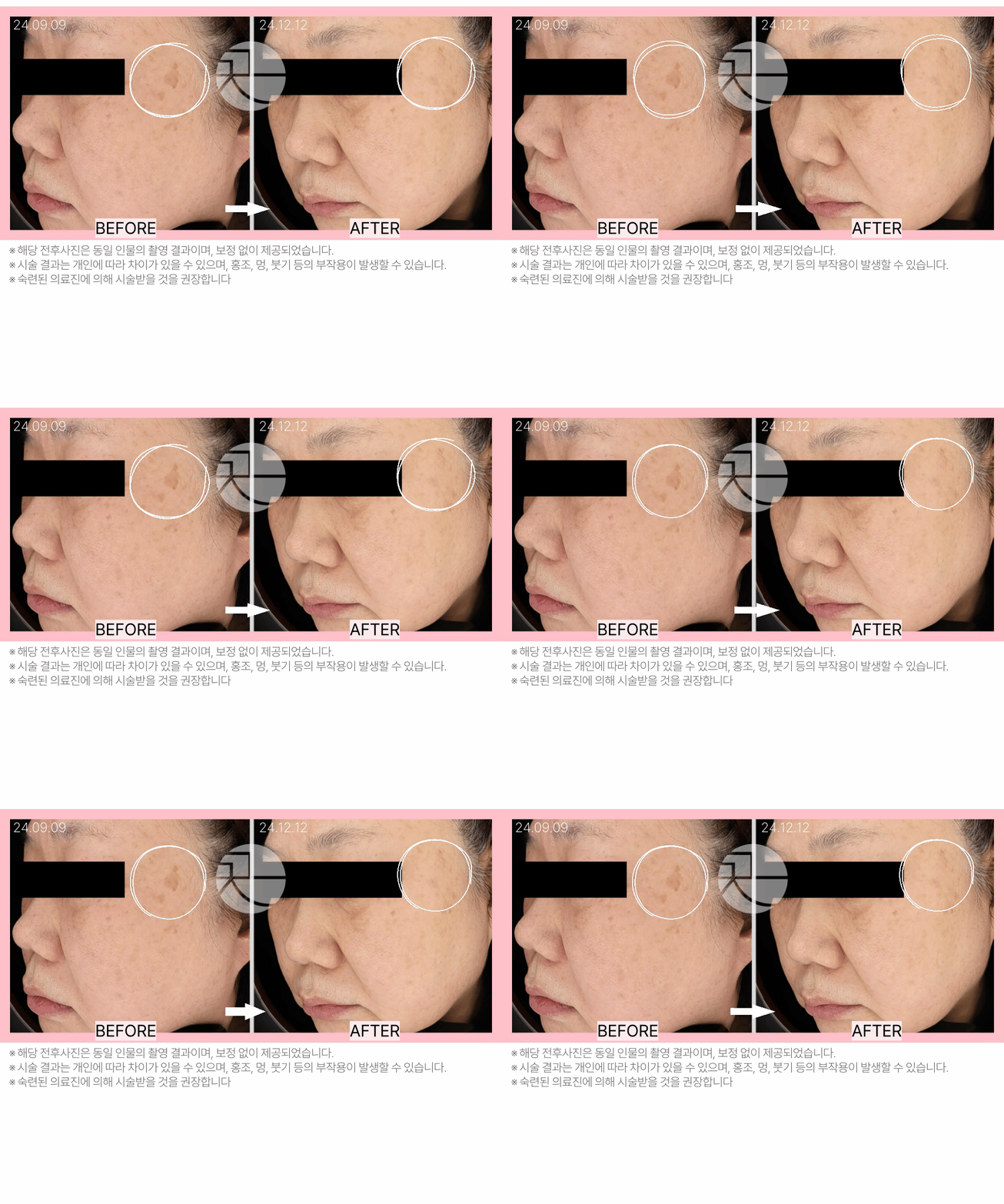
Dual Toning combines Laser Toning and Genesis Toning to address various types of pigmented lesions. Through individualized treatment plans tailored to various pigmentation concerns such as melasma, blemishes, solar lentigines, freckles, dark circles, and ABNOM, which appear at different skin depths, you can expect overall improvement in skin tone. You may feel a slight tingling sensation after the procedure, but the recovery burden is minimal, allowing for a quick return to daily life. *VAT excluded
Options
Treatment Details









Features of Dual Toning Treatment
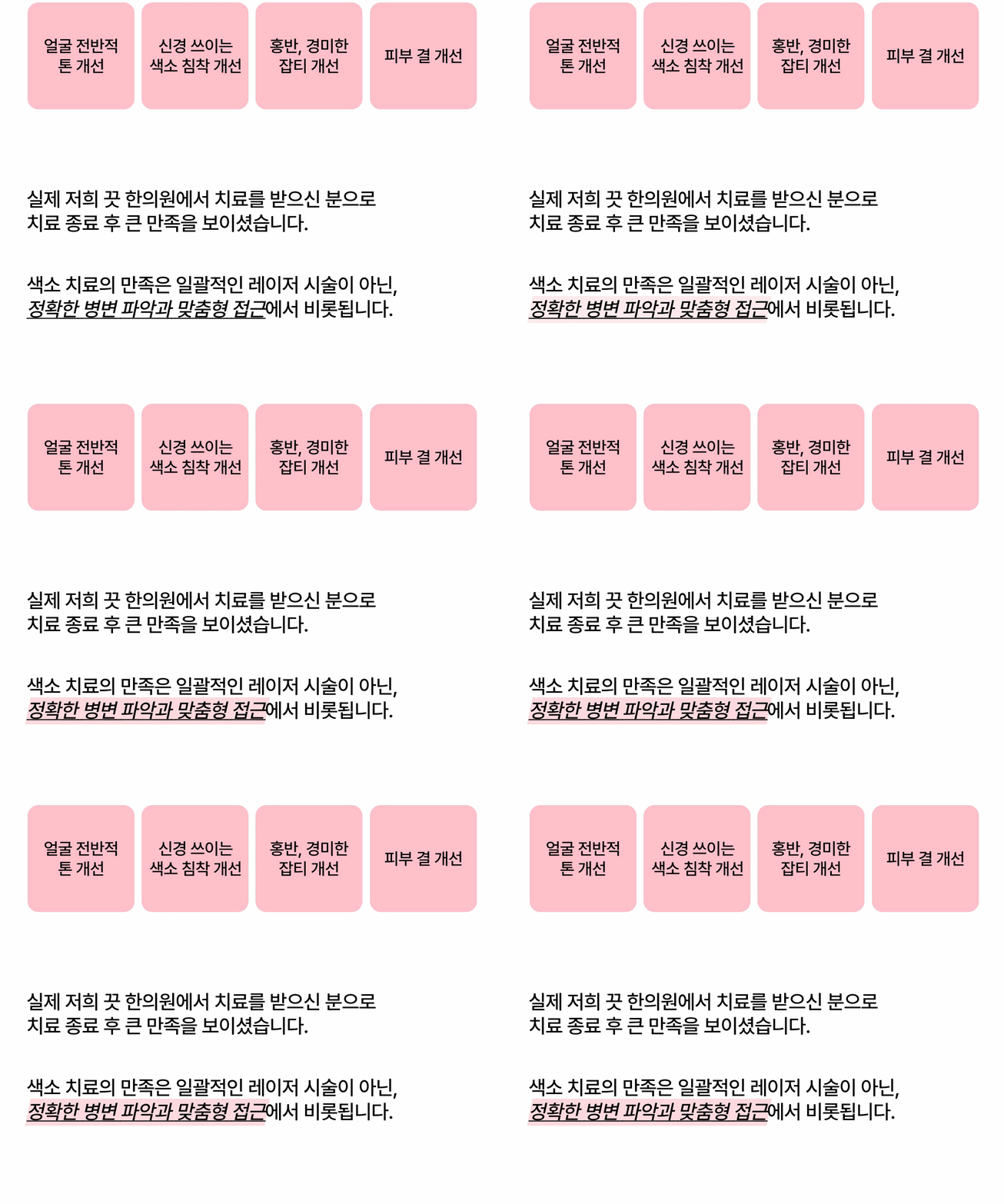
Dual toning approaches vary depending on the skin condition.
Even when combining laser toning and Genesis for treatment, individual skin characteristics must be considered.
Dual toning aims for customized treatment design by accurately identifying each individual's skin characteristics.
Through this, more delicate and effective results can be expected.
It's not simply about focusing on the number of treatments or equipment names.
It analyzes the distribution and depth of skin pigments, skin reactivity, and complex issues such as loss of elasticity, redness, and enlarged pores.
Based on these analyzed results, the treatment direction is determined according to a total of five types.
① Pigment-focused type: When melasma, blemishes, or epidermal pigmentation are the main concerns.
This is a condition where melanin pigments are primarily distributed in the epidermal layer.
In this case, a delicate approach centered on laser toning is necessary.
The treatment aims to create a clear and even skin tone.
② Combination type: Skin with both melasma and redness.
It is characterized by pigment deposition in the dermal layer accompanied by vascular redness.
It is appropriate to avoid excessive irritation and slowly stimulate a wide area with low-power energy to induce gradual improvement.
This method can also be considered for those who have experienced difficulties with previous treatments due to sensitive skin.
③ Redness-focused type: Skin with prominent redness around the cheeks and nose.
It is characterized by microvascular dilation accompanied by a sensation of heat and sensitive redness.
During Genesis treatment, high-power energy can be applied repeatedly.
This can help stabilize blood vessels and aid in the recovery of the skin barrier.
④ Fine lines-focused type: When skin is thin, dry, and fine lines are a concern.
It shows a state where skin texture is rough and elasticity is reduced due to lack of moisture.
In this case, repeatedly irradiating the Genesis laser deep and widely into the skin can be considered.
This can stimulate collagen production in the dermal layer and help improve skin texture.
⑤ Pore-focused type: Skin with concerns about acne scars or enlarged pores.
This refers to a condition where elasticity around the pores is reduced or accompanied by micro-scars.
Thermal stimulation can be applied deep within the skin to induce skin regeneration and remodeling.
───────────────
*Why a customized approach to Dual Toning treatment is important
Dual toning, customized for each individual,
goes beyond simply combining two lasers for treatment.
1. Depth and distribution of skin pigments
2. Sensitivity and regenerative capacity according to each skin type
3. Complex issues such as loss of elasticity, redness, and pores
By comprehensively considering these various factors,
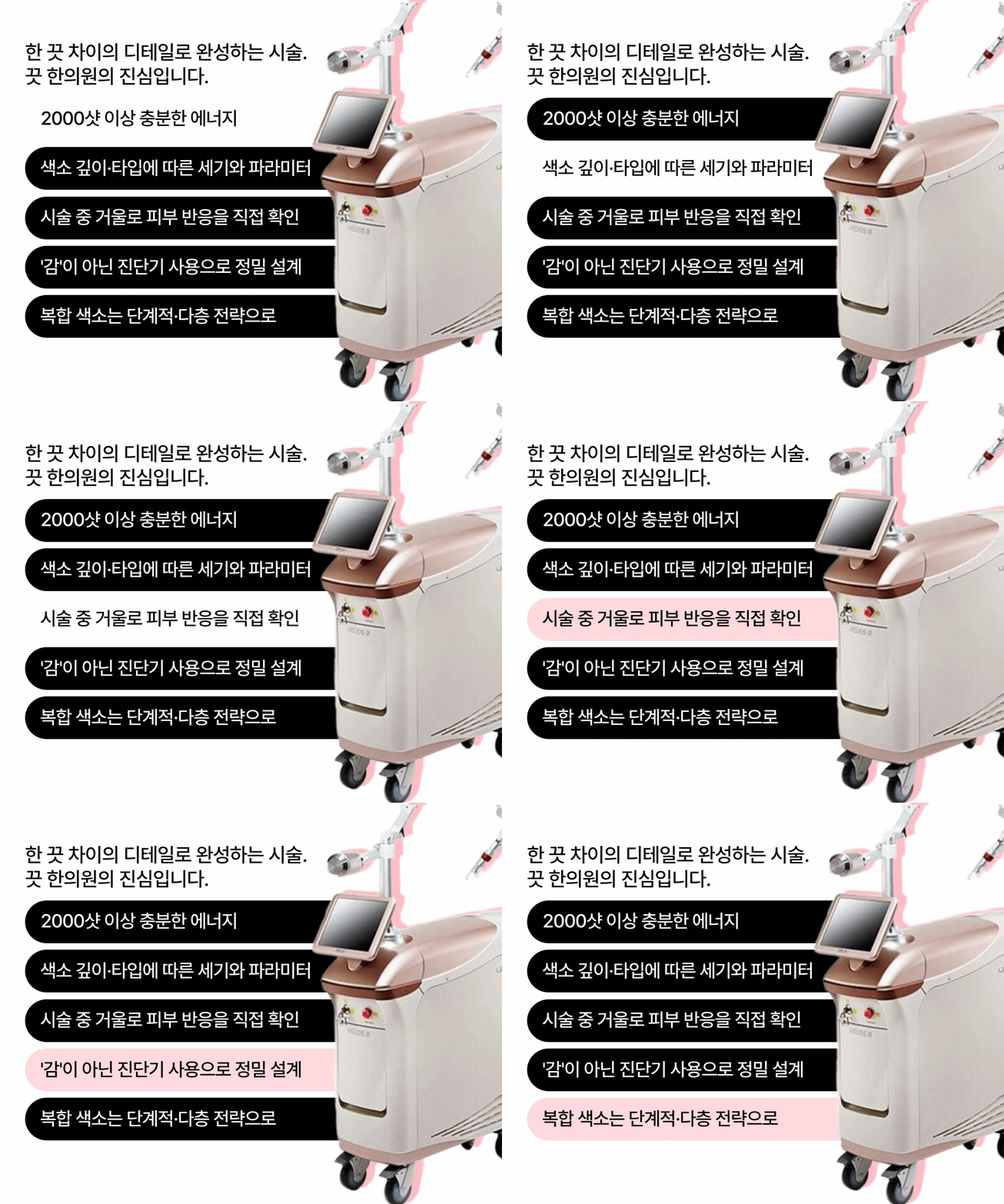
an optimized design is created for each individual, covering everything from laser wavelength, output intensity, appropriate handpiece selection, to the number of irradiations.
Such a personalized treatment plan for each individual
can contribute to increasing satisfaction with the treatment results.
───────────────
Recommended for
- Some people are not satisfied with pore or skin texture improvement with conventional toning treatments alone.
- It is suitable for those who want to reduce the burden of treatment sessions while still expecting skin improvements.
- Those who are deeply concerned about dark melasma along with various pigmentations can also benefit.
───────────────
Treatment Process
- STEP 01. Cleansing
- STEP 02. Personalized consultation, treatment area design, and procedure
───────────────
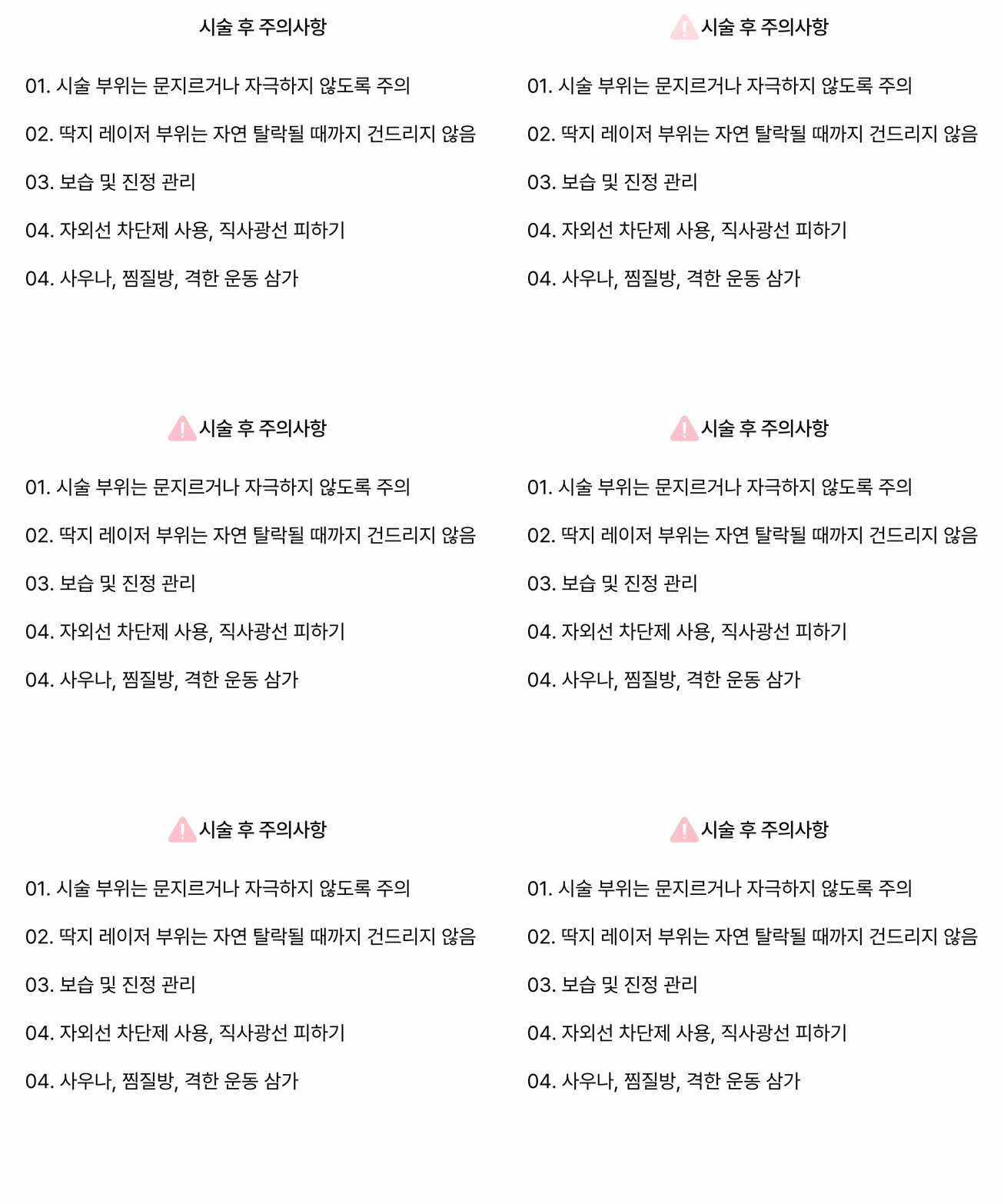
Precautions After Treatment
- ㆍYou may wash your face and apply makeup on the day of treatment. Please take particular care with sun protection when going outside.
- ㆍThe skin may be temporarily irritated after treatment. Consistent moisturizing and soothing care can help.
- ㆍOccasionally, swelling or redness may appear in the treated area. These usually improve over time. If they persist for several days, please contact the clinic for an examination.
───────────────
Understanding Melasma, Different from Blemishes
Melasma does not simply mean the phenomenon of excess melanin pigment being produced and remaining on the skin.
It involves the problem of melanocytes, pigment-producing cells located in the deep layers of the skin, becoming overly activated.
Melanin produced by these cells spreads repeatedly over a wide area, leaving pigmentation.
As a result, it is a complex pigmentation disorder where pigment penetrates deep into the dermis and remains for a long time.
External factors such as UV exposure or hormonal changes particularly stimulate melanocytes.
In this process, subtle inflammatory reactions within the skin and vascular-related factors also appear to be involved.
Therefore, rather than a clear shape like a spot, a vague-bordered and widely spread pigmentation pattern is characteristic of melasma.
Histologically, the number of melanocytes themselves falls within the normal range, but
the size of the cells increases, and the dendrites, which are projections that deliver melanin, visibly proliferate.
As a result, melanin is delivered more abundantly and widely to surrounding skin cells.
In some patients, fine capillary dilation or redness may accompany melasma in the affected area.
In such cases, it is sometimes classified and explained as vascular melasma.
Melasma is less a disease and more a result of various stimuli appearing when the skin is in a sensitive and structurally vulnerable state.
This can be interpreted to mean that the skin is in a vulnerable and sensitive state.
Therefore, rather than simply removing pigmentation, an approach that simultaneously improves the root causes and skin structure is important.
While Dual Toning is considered for general pigmentation issues, it is especially recommended to carefully consider Dual Toning, not regular toning, for melasma management.
Procedure Steps Guide
첫 상담부터 마무리까지의 실제 진행 순서를 확인하세요.
- 01
Personal cleansing
- 02
Skin condition analysis using Mark-Vu
- 03
Individual consultation and treatment plan establishment
- 04
Toning performed after setting laser intensity tailored to skin type
- 05
Soothing and finishing care for the treated area
시술 기본정보
시술 시간, 마취, 회복, 유지기간을 한 번에 확인하세요.
TIME
15-30 minutes
ANESTHESIA
No anesthesia
RECOVERY
Immediate return to daily life
Ideal For
One Fine Difference makes real results.
- KKEUT POINT 01
If you are stressed by an overall dull and uneven skin tone.
- KKEUT POINT 02
Those who wish for simultaneous improvement in various aspects such as skin redness, fine lines, and rough skin texture.
Q&A
고객님들이 가장 많이 물어보시는 내용을 모았습니다.
What is the appropriate treatment cycle and recommended number of sessions for this procedure?

While it varies depending on individual skin condition, we generally recommend considering at least 10 or more sessions at intervals of 1 to 2 weeks. The exact plan will be determined during your consultation.
What level of discomfort can be expected during the procedure?
While it can vary from person to person, you may typically experience a light tingling sensation or warmth in the treated area. It's not severe pain, so most procedures are performed without separate anesthesia.
Cautions
Results = Treatment × Aftercare. Please follow the notes below.
After the procedure, it is recommended to apply sunscreen meticulously to reduce the possibility of pigmentation and to temporarily avoid strong sun exposure.
Refrain from using exfoliating or peeling products that can irritate the skin for about 1 week after the procedure.
For approximately 7 days after the procedure, it is advisable to refrain from alcohol consumption, smoking, strenuous exercise, and saunas to prevent inflammation and hinder recovery.